Martorell

Castellbisbal
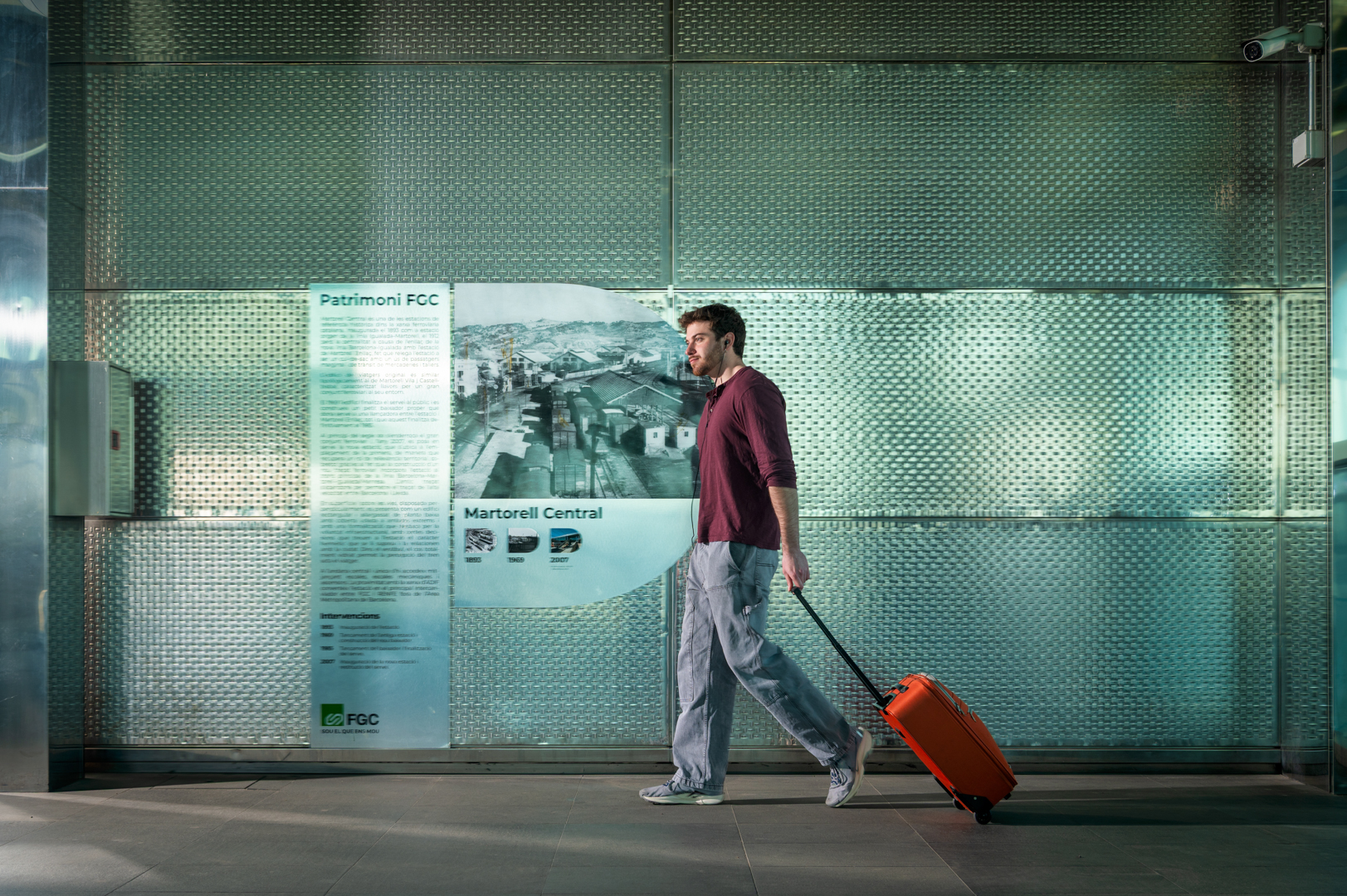
Martorell Central
Martorell Vila

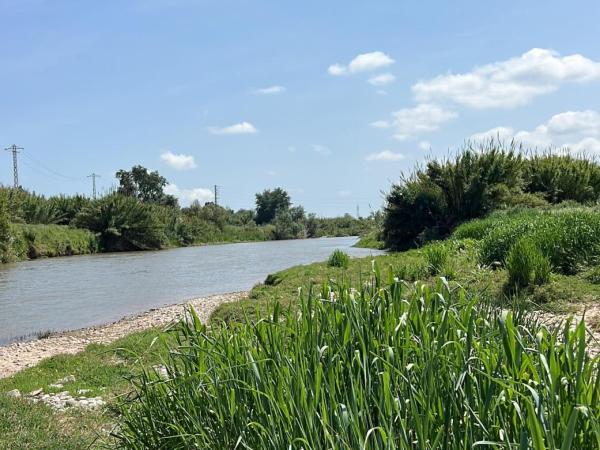
Martorell, municipi entre els rius Anoia i Llobregat, presenta un important patrimoni històric-artístic de quasi tots els períodes històrics. 

Parades imprescindibles

Espai de la Via Mètrica dels FGC

Espai de la Via Mètrica dels FGC

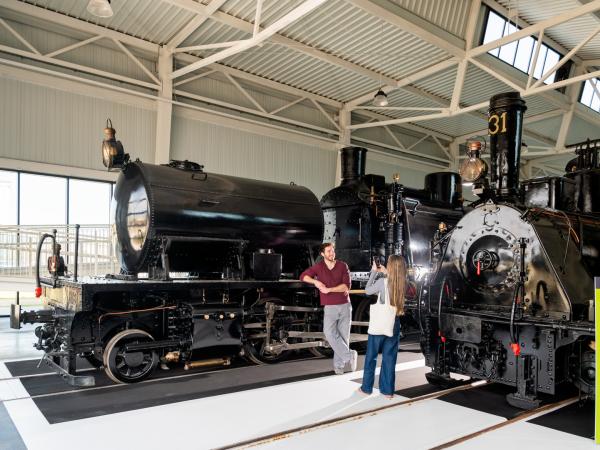
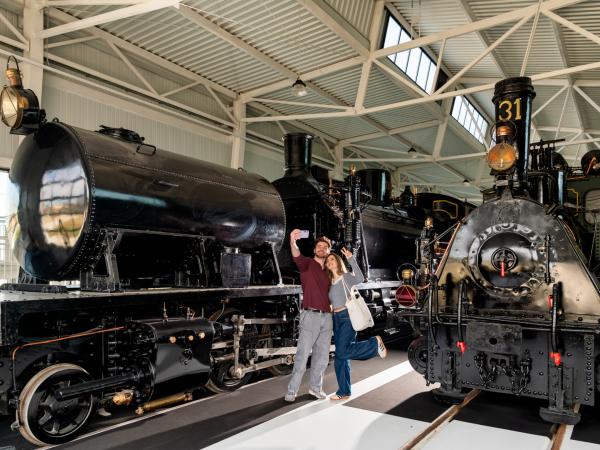
The Espai de la Via Mètrica is a museum that focuses on the history of the rail network known today as the Llobregat-Anoia Line. This museum is located in the vicinity of the Martorell-Central stations of Ferrocarrils de la Generalitat de Catalunya and Martorell-Central of ADIF and exhibits an extensive collection of historical vehicles that were previously scattered in various storage sites.

Throughout the tour scheduled for the visits, the groups will be guided and will receive explanations from specialized staff of Ferrocarrils de la Generalitat de Catalunya (FGC). The visitable space consists of historical pieces belonging to the company, own explanatory posters where the origin of the exhibited pieces, commemorative librettos and a permanent exhibition of FGC is explained. Access to the premises is adapted for strollers and people with reduced mobility, toilets, safety service and free parking. 

The vehicles that are preserved are classified as historical heritage and have been restored by Ferrocarrils. The Via Mètrica Space can be visited free of charge by prior reservation. It can be processed through the FGC Heritage website: https://www.fgc.cat/patrimoni-fgc/

Més informació
Visita Martorell Central
9.jpg

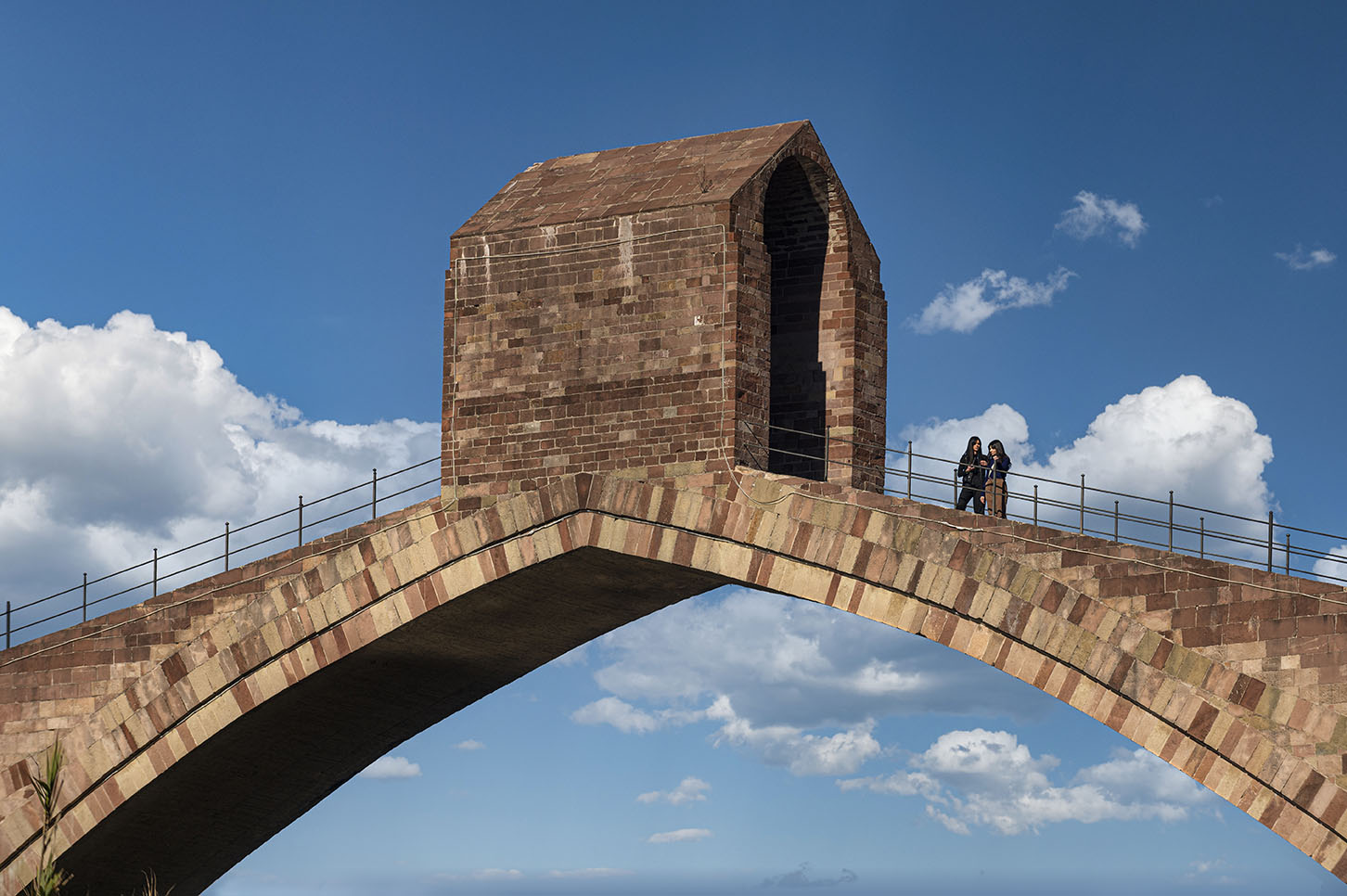
Pont del Diable

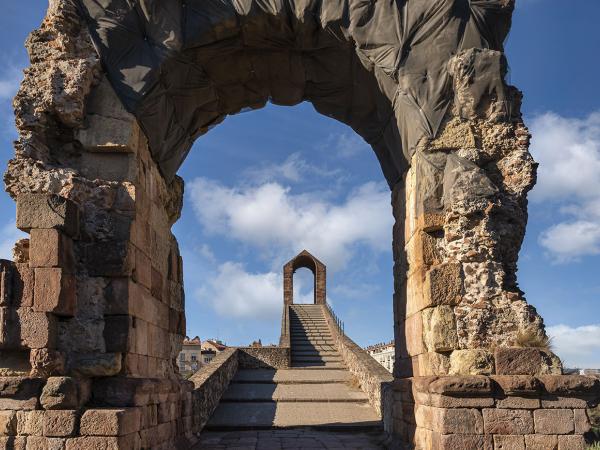
The Devil’s Bridge is one of the remains that are kept as evidence of the Roman road network in the low part of the Llobregat and Anoia rivers zone. It’s located at the Congost del Llobregat (gorge entrance) just after the confluence with the Anoia River. It was raised towards the year 10 B.C. by the Roman legions III (Macedonica), VI (Victrix) and X (Gemina), according to the identified marks shown in some stone blocks, just when the new Via Augusta (roman road) -as a result of the foundation of the Iulia Augusta Paterna Faventia Barcino (Barcelone)- was carried out, at the end of the 1st century B.C. The bridge arch is this period most important proof which has been kept until now. The date of destruction of the Roman Bridge is ignored but we know for certain that, in 1283 the process of construction a gothic style new bridge, with a similar appearance to the present one was started. The bridge reconstruction, also called de Sant Bartomeu –because of the Romanesque chapel close to it – or stone bridge, was a great work and with the aim of building the bridge, money was collected and taxes prevailed for long. The road network transformation development, mainly from the XVIII century, caused numerous interventions on the bridge work and its surroundings, like the construction of the Headquarters of Cavalry. The bridge was blown up by the Republican Army when the soldiers were retreating nearly at the end of the Spanish Civil War. The works of reconstruction of the central Gothic arch began in 1961. The demolition of the houses affixed to the bridge end brought to light some remains of the Roman bridge wall and the old municipal slaughter house (1990), as well as the location of the Saint Bartomeu chapel archaeological remains.

Més informació
Visita Castellbisbal, Martorell Vila
2.jpg

L'Enrajolada, Casa Museu Santacana

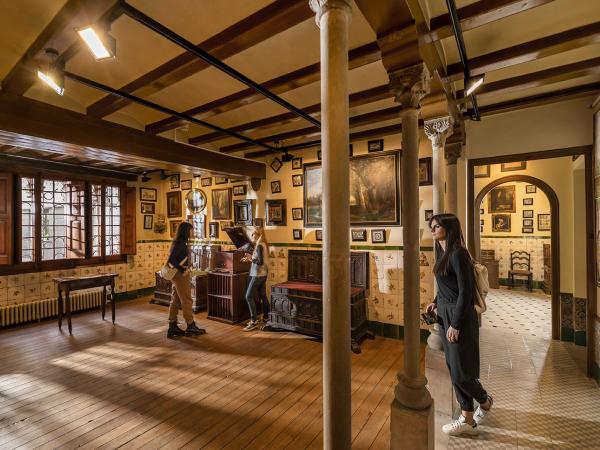
The museum was founded in 1876 by Francesc Santacana Campmany (1810-1896), an example of romantic idealism which drove its creator to collect artefacts from palaces and old religious buildings, (mainly from Barcelona, Martorell and their surrounding areas in his house to try to recover their original function. He also put together a collection of his own paintings and those of other artists he met while he was studying La Llotja (Free School of Fine Arts of Barcelona), and with many others who he was in touch later on in time, such as: Pau, Lluís and Agustí Rigalt, Marià Fortuny, Damià Campeny, Claudi Lorenzale, Pelegrí Clavé, Ramón Vives, Ramón Martí Alsina, Francesc Torrescassana, Joaquim Vayreda, ”Natzarena” school representatives or prestigious landscape painters. His work was continued by his grandson, Francesc Santacana Romeu (1883-1936), who named the house L’Enrajolada because of the great number of tiles (rajoles) the museum contained. It is one of the oldest museums in Catalonia and a great example of 19th century collections. It was much visited by travellers at that time as can be seen by the many written testimonies. Guided visits allow 21st century visitors to fully appreciate the spirit of the founder whilst passing through the different rooms filled with diverse objects from diverse places, including floor and wall tiles, ceramic works, drawings, engravings, architectural and sculptural elements, furniture and decorative objects. L’Enrajolada also houses the ceramic collection of the scholar and soldier Lluís Faraudo of Saint-Germain (1867-1957).

Més informació
Visita Martorell Central
7.jpg

Museu Vicenç Ros

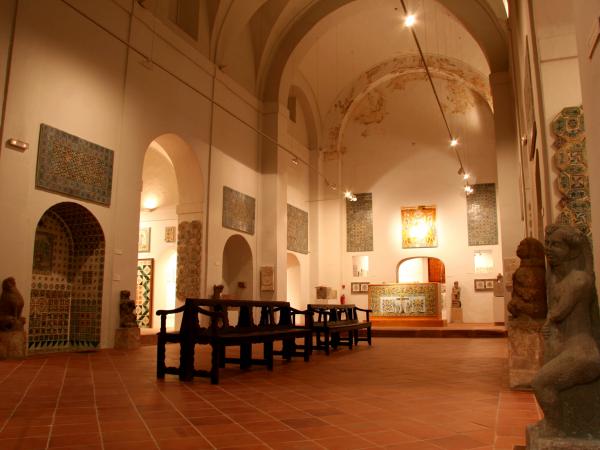
The Vicenç Ros Museum was founded by Vicenç Ros Batllevell (1883-1970) in 1945 and occupies some of the quarters of the old Capucin monastery in Martorell. The museum allows the visitor to contemplate its collections whilst also visiting the old monastery structure, one of the few surviving examples of Capucin architecture from 17th century in Catalonia. The most important part of the museum is Vicenç Ros’ collection of ceramics along with the one from the well known Catalan artist Joaquim Mir. Of all the pieces on display, the great sets of ceramic Catalan tiles mostly of religious interest, such as l’Aparició de la Verge de la Mercè de Llorenç Passoles (17th century), Sant Isidre Llaurador by Miquel la Puja ( at the end of the 17th century), the fifteen Misteris del Rosari (17th century) should be highlighted. The soffit with Hunting scenes from the 17th century is also excellent and the composition of La batalla dels gats i les rates (The Battle of Cats and Rats), an allegory made about 1642 of the Pergpignan siege (1642) during the Thirty Years’ War. The museum also has a large and varied collection of paintings relating to Saints and Virgins with an iconographic and chronological repertoire from 17th to 19th centuries. It is important to emphasize the set of architectural elements taken from different buildings in the same town and from many other places; works of art and paintings by Lluís and Agustí Rigalt amongst others and also the ethnological collection, which includes everything from a combination of impressive wine barrels to tools and utensils from different workshops and traditional trades, such as: chair makers barrel makers riding gear and saddle makers, potter, espadrille maker, carpenter etc.

Més informació
Visita Martorell Central
Els Set Balcons de Montserrat

Els Set Balcons de Montserrat

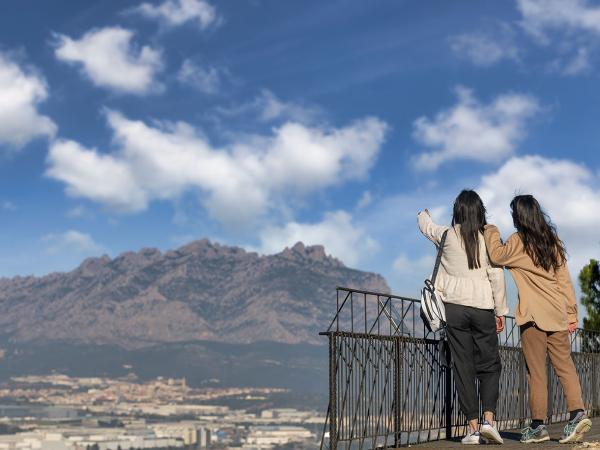
The Seven Balconies of Montserrat are seven natural and panoramic viewpoints of the magical mountain that contemplate it from Abrera, Castellví de Rosanes, Collbató, Esparreguera, Martorell, Olesa de Montserrat and Sant Esteve Sesrovires.

These viewpoints are the perfect place to enjoy nature and the activities that this northen area of Baix Llobregat offers, such as hiking, cycling or family tourism. At the same time, they allow you to enjoy gastronomy with native products, visits to wineries and cellars, a heritage that shows the past and the history of the territory, such as the Sedó Colony in Esparreguera or the Pont del Diable in Martorell, and unique events, such as the performances of the ''Passions'' during the spring.

More information about each balcony at www.setbalconsdemontserrat.cat 


Més informació
Visita Castellbisbal, Martorell Vila
Centre d'Interpretació del Patrimoni Històric "La Caserna" (CIPH)

Centre d'Interpretació del Patrimoni Històric "La Caserna"

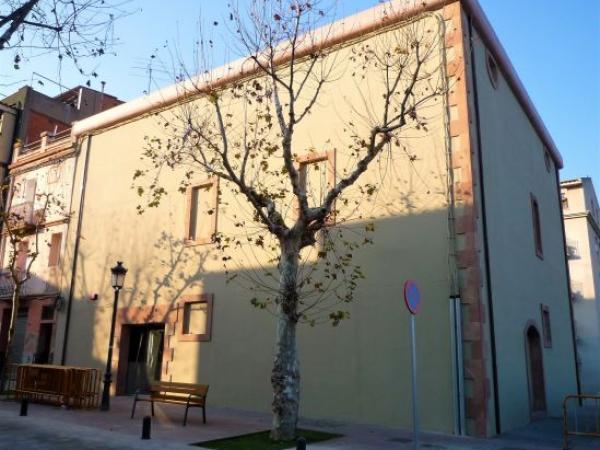
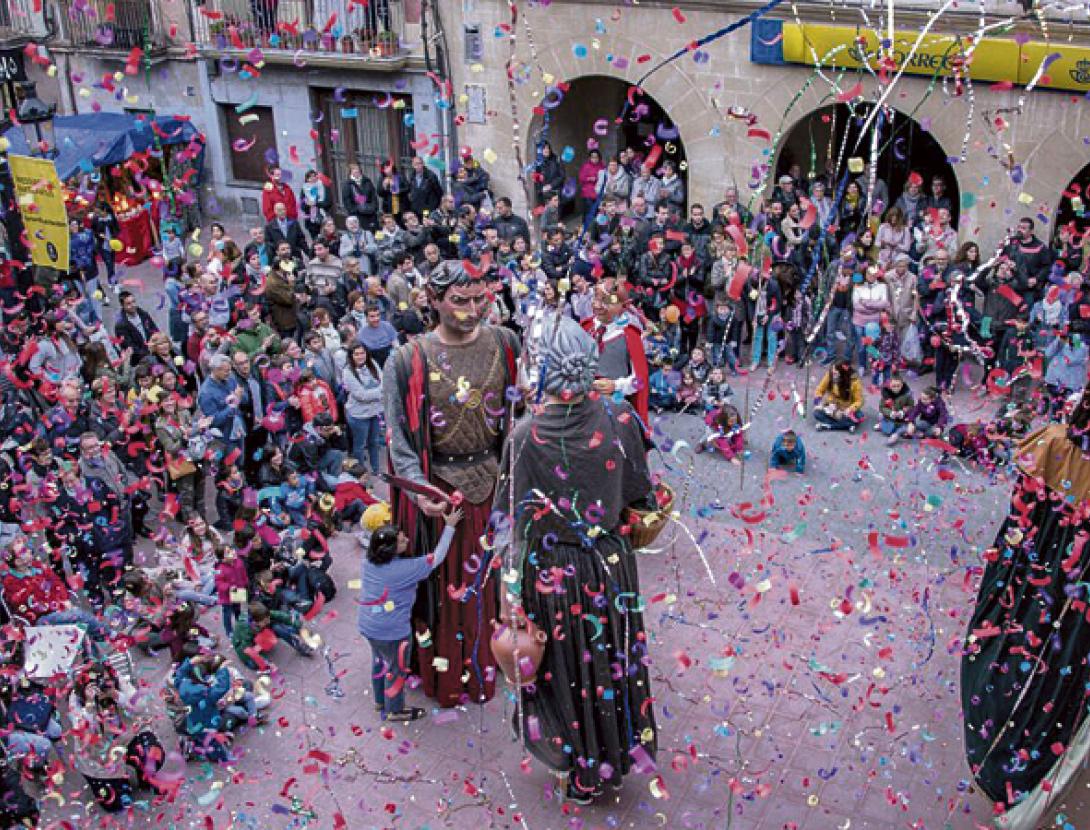
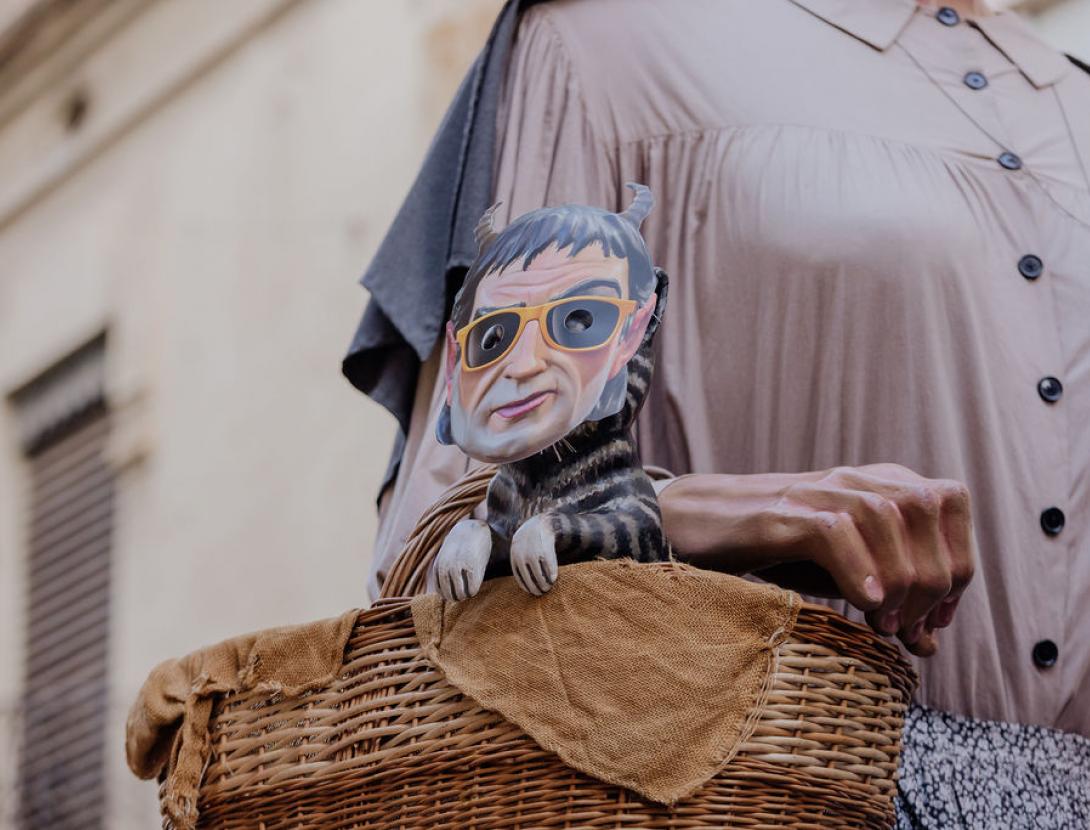
Located in the renovated building of the old Cavalry Barracks of Martorell (1732), the Center for the Interpretation of Historical Heritage "La Caserna" (CIPH), hosts temporary exhibitions of photography, art, history, science and others. cultural themes and is part, with the Devil's Bridge and the hermitage of Sant Bartomeu, of the heritage and historical ensemble of the town. On the ground floor of the building are the figures of the Colla de Gegants and the Colla de Capgrossos, as well as the beasts of the Colla de Diables i Dracs de Martorell. In the upper floors there are different school workshops of the didactic service of Museums of Martorell, as well as temporary exhibitions.

Més informació
Visita Castellbisbal, Martorell Vila
15.JPG

Jaciment Arqueològic de Santa Margarida

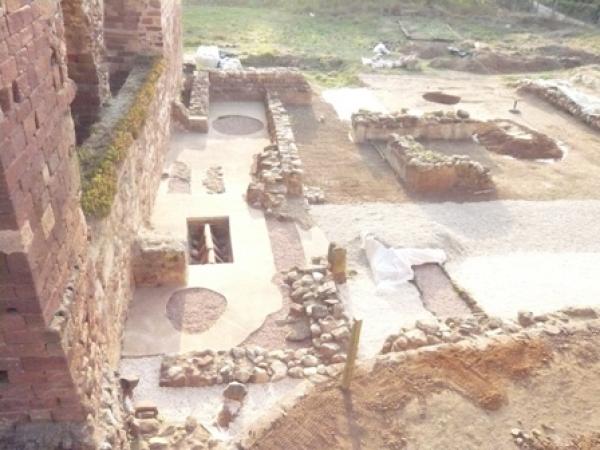
On the plains of Anoia you can find the Santa Margarida archaeological site, which is structured around a roman church dating back to the end of the twelfth century, and a sixteenth century farm. The land, along with the old Sant Genís de Rocafort monastery, was handed over to the town by their owner, Pau Sendrós, in 1967. He hoped that it would be devoted to archaeological investigation. In 1972 the Centre d’ Estudis Martorellencs began this work. Since 1981, the project has been integrated into the investigation programmes of the Prehistoric, Ancient History and Archaeology departments at the University of Barcelona. Santa Margarida presents an extensive and continuous historic sequence, which is still in its early stages of study and spans from the tenth century to the present day. The key characterising elements of all of them are: a Roman church dating back to the end of the 12th Century built on the remains of early Christian churches from the 10th Century; a necropolis which covers a wide timeline from the 10th century to the 18th,; a collection of pits localised to the inside and outside of the church built in the first half of the 11th a collection of structures associated with the church, directly or indirectly linked, whose functions were funeral, religious or of habit, and a 17th century and a farm built on an 16th century structure with some elements present of the 14th century. Part of the site has been installed in a museum and you can visit the inside of the farm in an exposition.

Més informació
Visita Martorell Central

Restaurants

I si has fet gana...

Fes un cop d'ull als restaurants que trobaràs a Martorell

Fires i festes

Gastronomic Fair of the Spring Fair

Abril
Martorell

Spring Fair

Abril
Martorell

Festival PAS

Martorell

Festa Major de Martorell

Agost
Martorell

Vimart

Octubre
Martorell