Sant Boi de Llobregat

Molí Nou
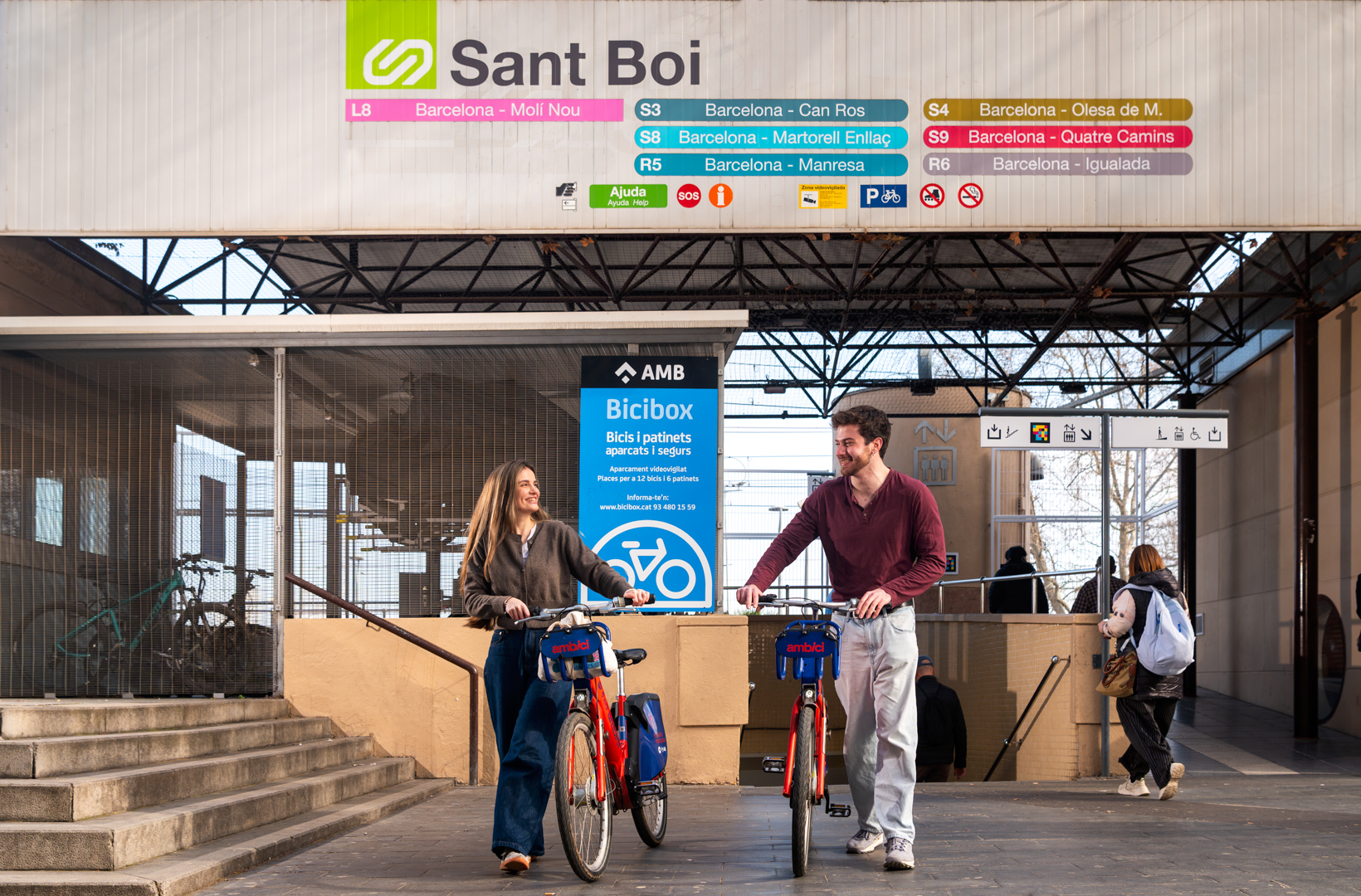
Sant Boi

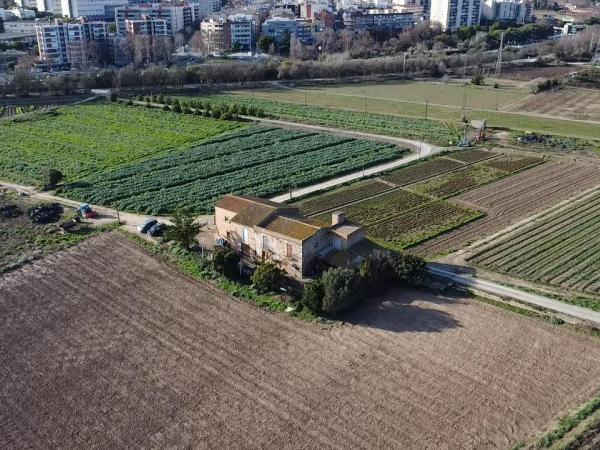
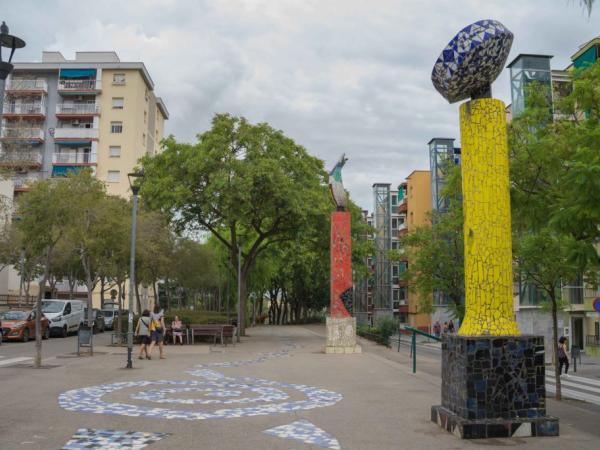
A Sant Boi trobem una rica història i un nucli antic ple d’espais per descobrir: les termes romanes, el museu Can Torrents, la masia Can Barraquer -darrera residència de Rafael Casanova- o el barroc de l’església de Sant Baldiri.

Parades imprescindibles

TERMES ROMANES 2.jpg

Termes romanes

The Roman baths will be temporarily closed to carry out works to improve the equipment. Start of works: September 12, 2024. Forecast: 6 months

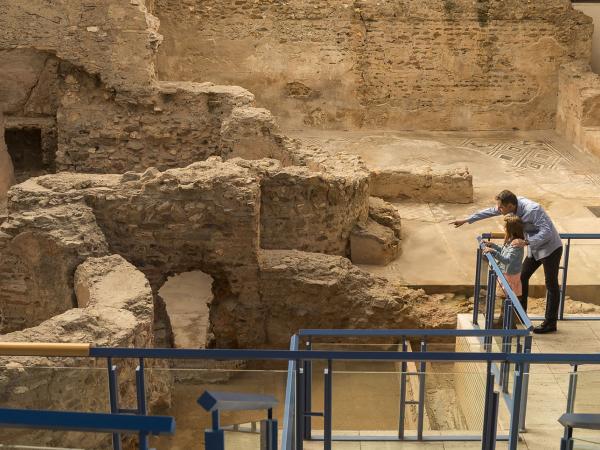
The Roman baths of Sant Boi are private vila baths under belonging to a Roman empire the best preserved in Catalonia.
Were built in the late second century AD., one of the greatest periods of economic splendor of the area through the production of wine, and ran until the fifth century

The baths were composed of two bodies parallel building. One contained the cold chambers and the other housed the hot chambers. Under the frigidarium there was also a production center of amphorae from the years 30 to 20s from the first century BC.

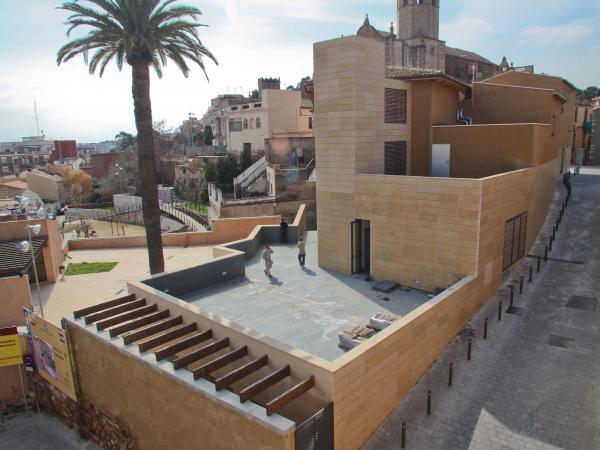
In the seventeenth century a house was built on top, allowing better preservation. In 1998 the Roman Baths were officially opened with the cover and the current appearance.
Més informació
Visita Sant Boi
2.jpg

Museu Can Barraquer

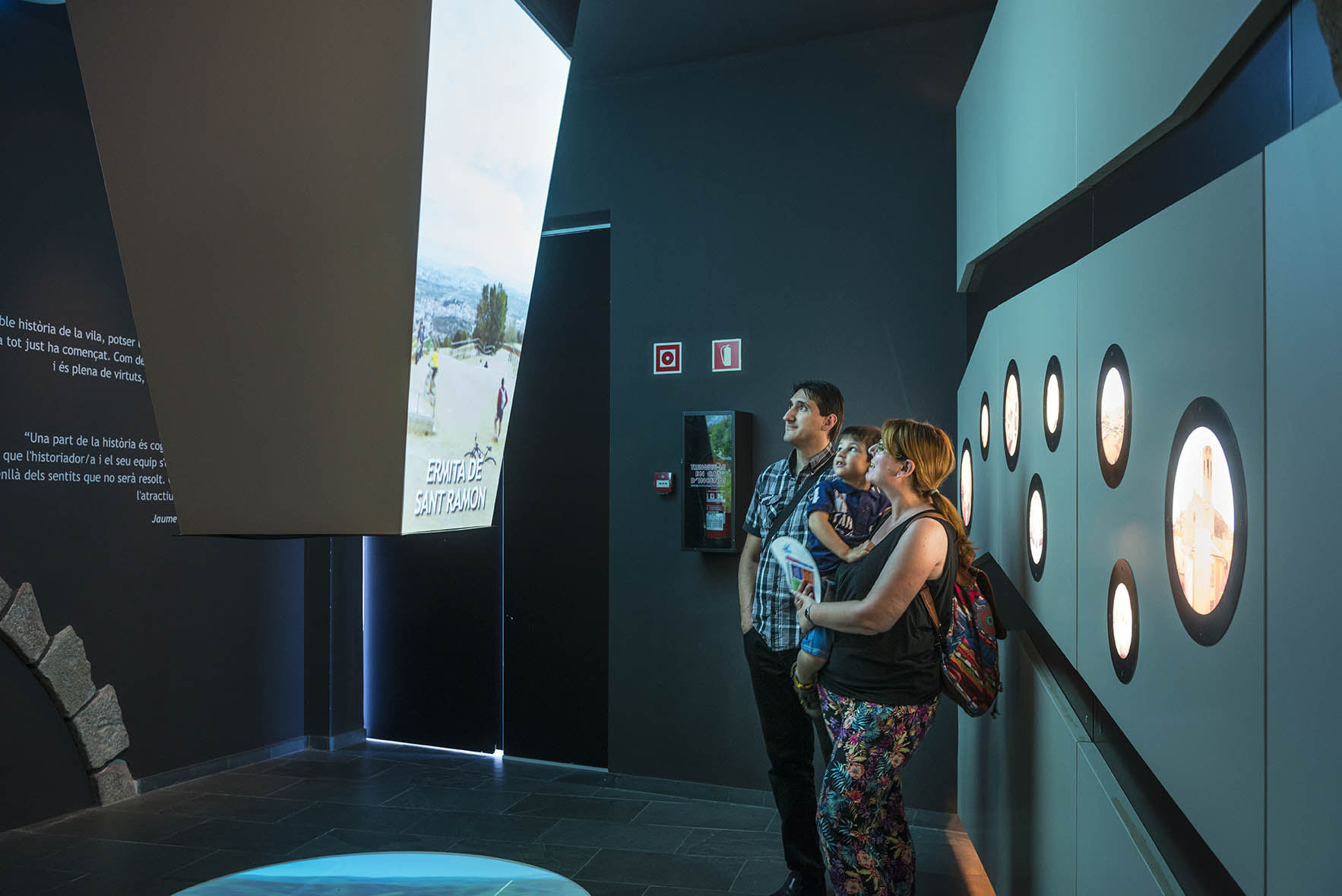
Can Barraquer Museum. The new museum, located in Can Barraquer, a house of s. XVII was the family home where Rafael Casanova lived in the last years of his life.

It is the headquarters of the Museo de Sant Boi.

Located on the first floor Can Barraquer, the exhibition summarizes the local history from the Iberian period to the present, through the Roman era, the Medieval Ages and the modern and contemporary eras.

The collection comes from archaeological excavations and individual donations. The route takes advantage of the spectacular archaeological concentration of entry to locate the visitor on a journey through time.

Rafael Casanova and his time. This historical exhibition located on the second floor focuses on the figure of "conseller en cap" principal political office of Barcelona, Rafael Casanova, and makes an interactive recreation of the defense of the city from its walls.

Més informació
Visita Sant Boi
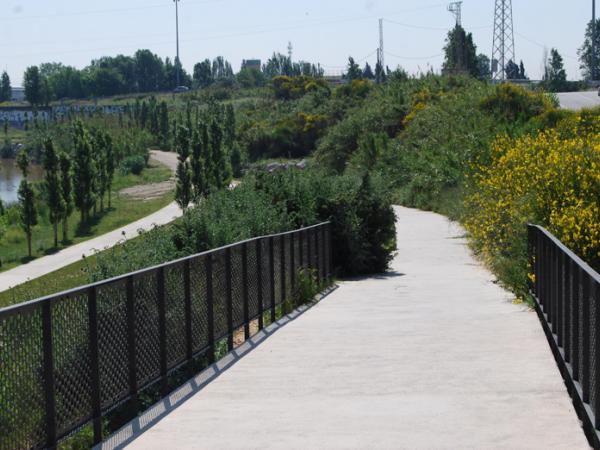
Parc fluvial sant Boi 1.JPG

Parc fluvial de Sant Boi

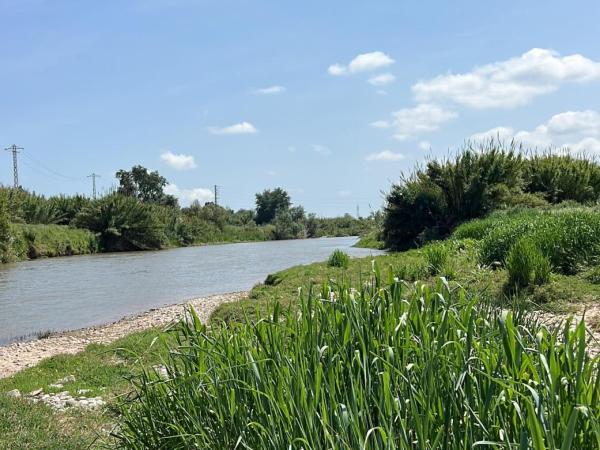
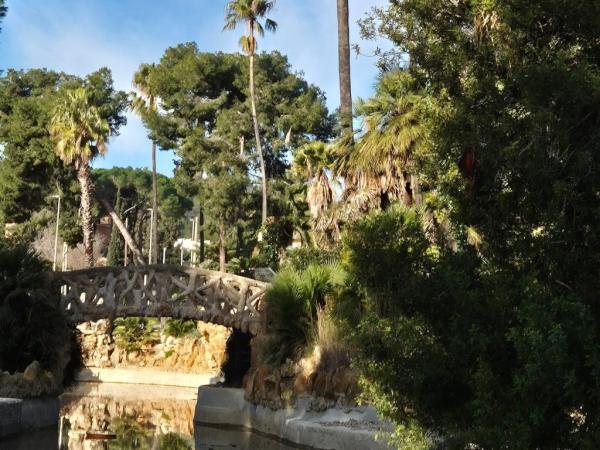
The Sant Boi River Park retrieves for the citizens a large space formerly occupied by former illegal gardens located very close to the urban center of Sant Boi de Llobregat.

In fact, the case of Sant Boi de Llobregat was paradigmatic since, until recently, this important municipality of more than 82,000 inhabitants lived completely behind the river due to the fact that access to the river space was virtually impossible for them pedestrian if it was not the basis of long and dangerous routes. The new access pass to the Llobregat river draws the routes of the Generalitat de Catalunya Railways and flies over the Canal de la Dreta del Llobregat and the crowded BV-2002, thus creating a comfortable route that leaves the river space with little 250 meters from the town hall and the city center.

In short, a 3 hectare fluvial park has been recovered where plantations of different species of riverside vegetation have been carried out. In total, more than 200 trees, including willows, poplars, ash trees, poplars and figs. There are also more than a thousand aquatic plants, shrubs such as lawns and vineyards such as hauri

Més informació
Visita Sant Boi
_ORP1997_aigua.jpg

Torre Benviure

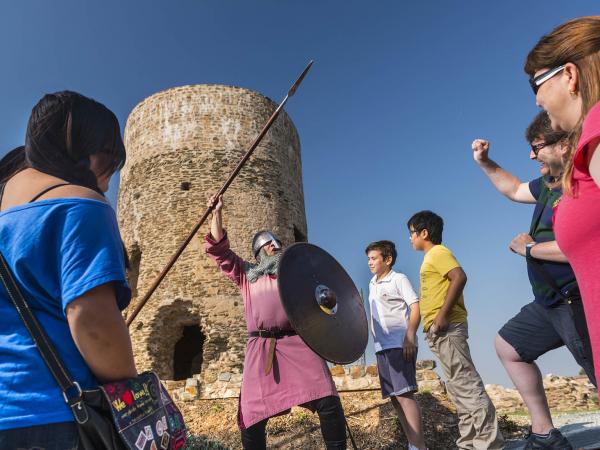
The medieval tower defense Benviure was built in the s. X to defend the city of Barcelona attacks from the kingdoms of Al- Andalus and, along with other buildings such as the Tower of Llor, the Salbana Tower, or the castles of Eramprunyà (957), Castelldefels (967) or Sant Boi (969) defined the space frontier with Muslim kingdoms known as the Marca Hispanica. Benviure tower was built on an ancient Iberian settlement. The building was located on a site of great strategic importance for the control of a large territory, which was the pre-coastal mountain range to the rich land of the Llobregat delta. It was also located at a major crossroads, north to south to Barcelona and Tarragona, which roamed old Roman roads, roads that were forming a network protected by the king, the royal road paths. With the advancement of the Christian reconquest of the peninsula, the territory began to repopulate the tower took character and residence of the lord of Benviure. The wooded and wild landscape led to the king Juan I spend hunting seasons in the tower.

Més informació
Visita Molí Nou
_ORP8108 sant ramon sant boi.jpg

Muntanya de Sant Ramon

Located near the coast and the Llobregat delta, its forest is the typical Mediterranean formed mainly by pine trees and holm oaks.

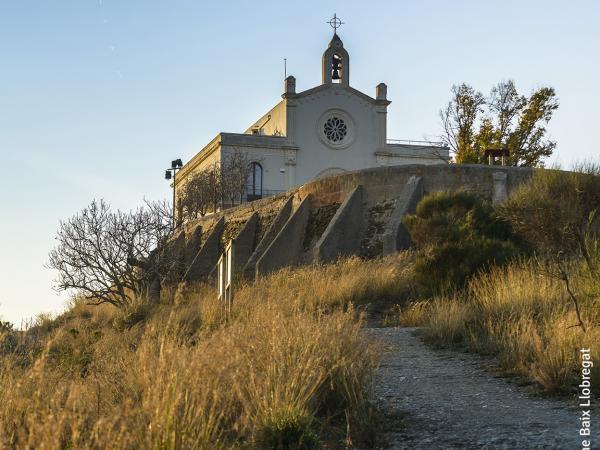
Almost 300 meters high on the mountain of Sant Ramon, they are crowned by the hermitage dedicated to the saint that gives it its name and dates back to 1887. Given its height, the peff of the hermitage, which makes both Especially the mountain, it is visible from all the Llobregat delta.

The mountain of Sant Ramon, located near the coast and the Llobregat delta, is a privileged place for the observation of migratory birds. The season that concentrates most birds is the months of September and October, during which you can see hawks, milans, eagles or storks. The sedentary fauna of the Montbaig Forest Park is made up of mammals such as common squirrels, genets, wild boar and hedgehogs, as well as owls, gamarusses and kelp trees.

Més informació
Natura Molí Nou, Sant Boi

Agenda - Guia de l'Oci

10, 17, 20 i 28 de juny
Sant Boi de Llobregat

Restaurants

I si has fet gana...

Fes un cop d'ull als restaurants que trobaràs a Sant Boi

Fires i festes

La Carxofada i el Mes de la Carxofa a Sant Boi

Sant Boi de Llobregat

Ludi Rubricati - La festa romana de Sant Boi

Sant Boi de Llobregat

Festival Música Altaveu

Sant Boi de Llobregat

Fira de la Puríssima de Sant Boi

Sant Boi de Llobregat