BAIXA AL BAIX! FERROCARRILS T'HI PORTA
Quina és la teva pròxima experiència?
Palau Can Mercader
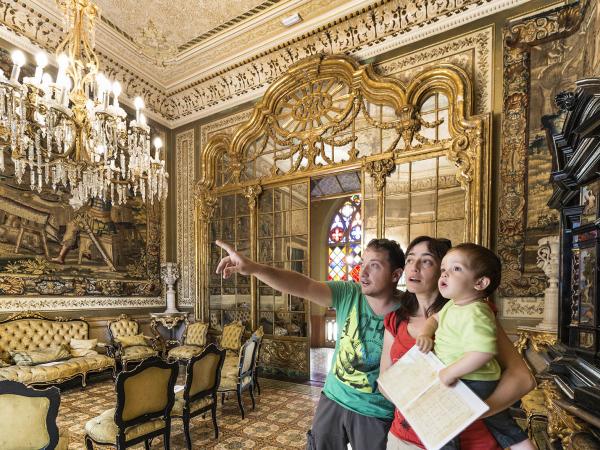
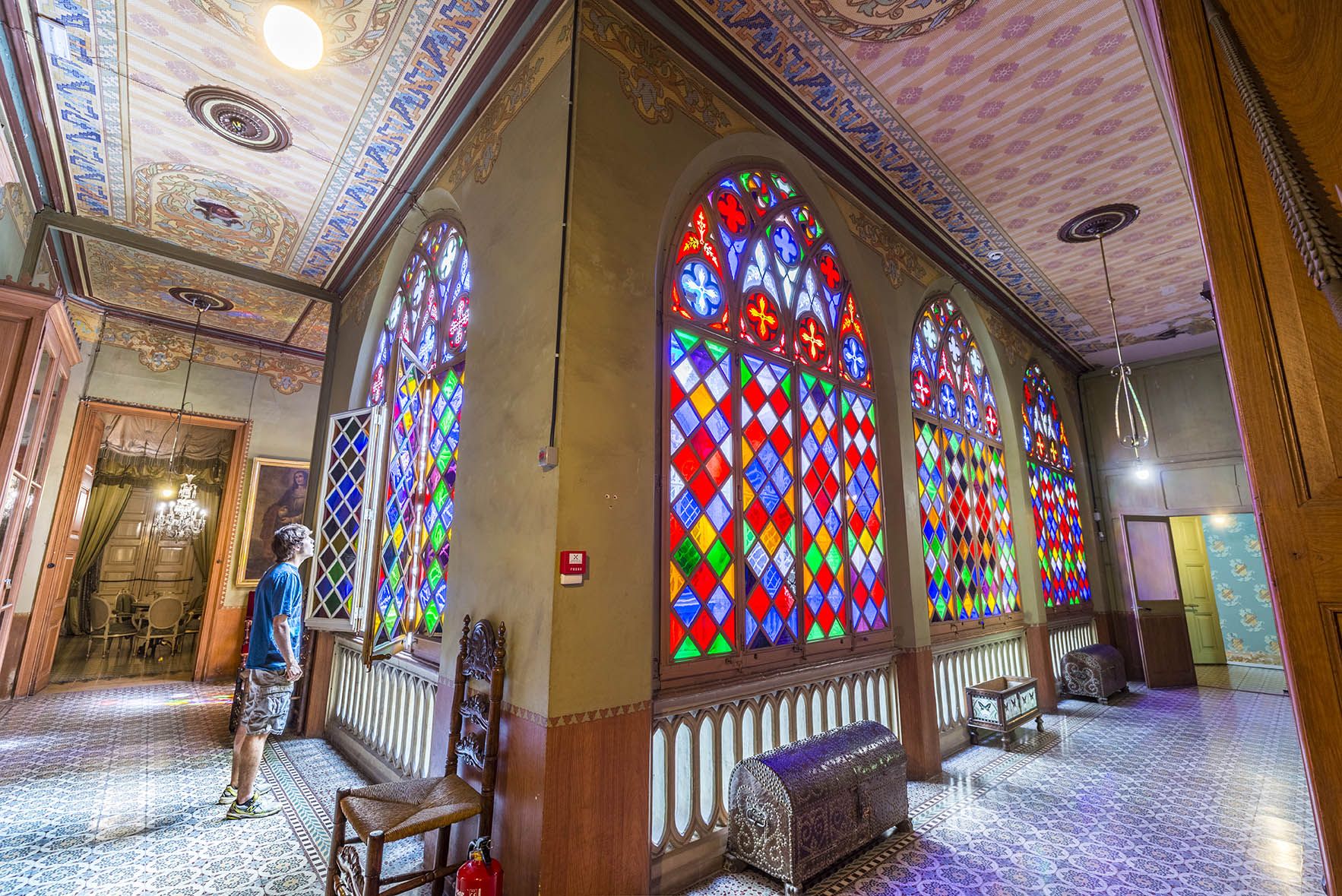
The Palau Mercader Museum is the exponent of lifestyle and cultural and artistic affinities of an aristocratic lineage of the last century. The museum is located on the main floor of the Palace and features more than 3,000 objects forming the "museum of the Earl of Bell·lloc".
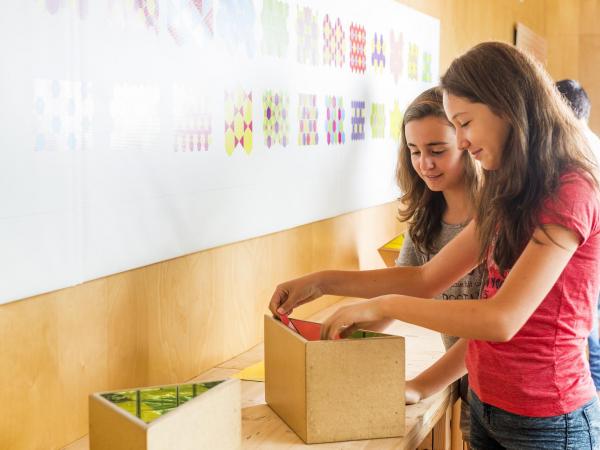
Museu de Matemàtiques de Catalunya
The Mathematics Museum of Catalonia is housed on the upper floor of the Palau Mercader Museum in Cornellà, an area of more than 300 m² featuring all manner of exhibitions and activities addressing mathematics from a practical and fun perspective.
The initiative was promoted by the Association to Promote and Create a Mathematics Museum in Catalonia (MMACA), and thanks the collaboration of Cornellà City Council it houses a permanent exhibition of the collection "Mathematical Experiences", comprising games, construction sets and a range of different elements divided into galleries dedicated to Geometry, Mirrors, Calculus and Statistics, Sets and Strategy, and Cartography.
The MMACA project aims to cover both fun and cultural aspects and also mathematical applications viewed with rigour and quality, supported by the fact that the Catalan mathematics scene boasts a large number of well-organised, innovative and active professionals, with a wide range of individuals in contact.
The fact that there is no other mathematics museum in Catalonia or Spain means that this project represents a great opportunity to bring together, blend, promote and structure a key aspect in the country's future: the role and vision of the world of mathematics and its social impact.
Meanwhile, the initiative is linked up with international projects emphasising the need to create settings outside school that will promote the learning and understanding of mathematics and science.

Museu de les Aigües
Take a trip to the main drinking water pumping station in the Barcelona area and plunge into the world of fresh water in a contemporary museum housed in an industrial complex in the modernist style.
This museum is a cultural heritage and educational facility that seeks to spread knowledge about the integral water cycle. The building where the permanent exhibition is located was designed by the architect Josep Amargós y Samaranch in 1905, and consists of three naves: the Boiler Room, the Electricity Room and the Engine Room, which preserve the original machinery of the time, some, still in operation.
Permanent exhibition - Water: the impulse of the city
Do you want to know what is the path that the water makes from the river to your house? In the permanent exhibition you will see how technology and science have made that possible. Discover through the tools and hydraulic machinery and your own experimentation, the advances that have made possible the evolution of this valuable good, from ancient times to the present day.
On the occasion of World Water Day 2019, the new permanent exhibition is inaugurated: “Water: the impulse of the city”. This exhibition shows how technology has made it possible to take advantage of the power of water to accompany the growth of Barcelona as a reference to the world.
Gardens of the Museu de les Aigües:
The museum is surrounded by gardens with their own character, which have a jewel of modernism: the reconstruction of the Waterfall that was in the Casa Vicens, designed by Antoni Gaudí. For the reconstruction, the indications of the original project have been followed, adding a sustainability component so that the water is recycled.
LANGUAGES
Guided visits are in Catalan and Spanish languages. English and French guided visits prior reservation.
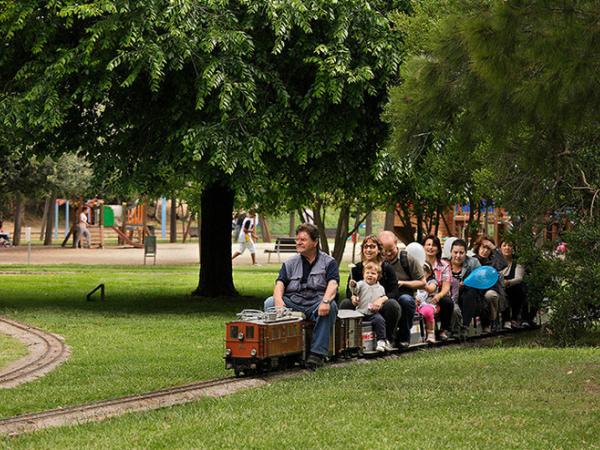
Parc de Can Mercader i trenet
The park of Can Mercader, the most important city in Cornellà de Llobregat, occupies everything formerly the gardens of the old Palace of the Families of the Merchant Counts and also of Bell-place. The Avenue of the Bananas is the main axis of the park: the crossing from the south to the north and configures, with the paths that create it, a series of spaces and environments for different uses. In the lower part there is the large esplanade of games with the train; Above, the lake, the gardens with glorieta and viewpoints, the paths, the living areas and the pool occupy the space of the old beams. In the central part, the structure of terraces and gardens has been maintained, which includes the two emblematic pieces of the park, the palace and the plataneda. The vegetation, which is denser in the central part, is formed by a large variety of species, among which there is a clear distinction, both for the number and its uniqueness, bananas, palm trees of the Canary Islands and the lavender palms.
Among many others, the main attraction of the park is the "trenet", which has become the symbol and the reclamation for thousands of visitors: a network of tracks through which miniature electric trains circulate, and that They offer the possibility, so small and large, to go up and enjoy a fun trip.
Inauguration: 1989
Surface area: 10.5 ha.
Service information
Historic-architectural landmark, unique vegetation, historic garden, lake, pond, drinking water fountains, miniature train, children's games, gymnastics, restaurant, bar, WC. Palau Mercader Museum and municipal swimming pool.
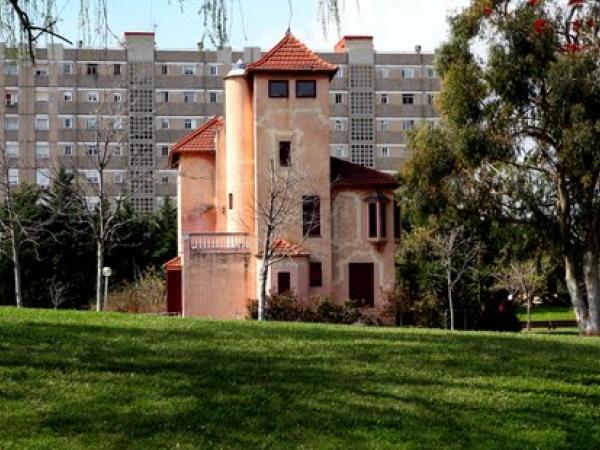
Parc del Canal de la Infanta
It is a very open and very sunny park, with parterres of green meadows and trees of great dimensions. One of the paths that cross it leads to a higher area where the park can be seen from another point of view. In the park we find the Camprubí house, built between 1927 and 1928 by the architect Josep Mª Jujol Gibert.
In addition, the Environmental game offers a lot of proposals to enjoy in family and know the values of the metropolitan parks, the nature and the environment through the game and the activity
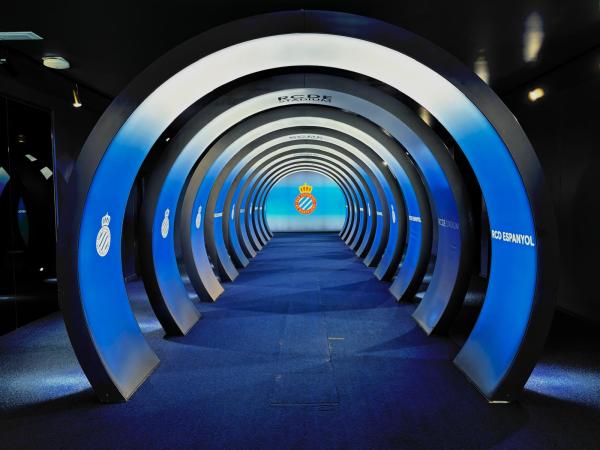
Tour RCDE Stadium
The RCDE Tour offers you the chance to relive the magic of the RCDE Stadium, learn its secrets and understand the history of a club with 123 years full of unforgettable moments.
The tour route is divided into three main blocks:
1. Visit to the Stadium
In this tour we will walk through our facilities and show you unique areas of one of the most modern facilities in Europe. Have you ever imagined what it would be like to be a coach? To speak during a press conference? To be able to be inside the first team's dressing room? Or what it is like from a box? Without a doubt, you will live an experience that will bring you closer to the world of soccer and you will feel the same as the players of the first team!
2. Historical space
The Tour also includes a memorable museum. A stage where all the trophies, badges and awards that the club has won during its long history are gathered. The room is a memorial of the sports sections that the institution had some time ago, apart from the fact that there is also a space dedicated to grassroots and women's soccer. All this, thanks to a timeline that tells the trajectory of Espanyol. In addition, in the tunnel that goes from the locker room to the mix area, you can find an exhibition of jerseys from all eras that the players wore on the pitch. Relics of the Blue and Whites' past. Finally, in the extraordinary Juan Segura Palomares Auditorium, where the press conferences take place, there are photographs with the portraits of all the coaches who have defended our colors, as well as the international players with the Spanish national team who have been called up while they were Espanyol players.
3. Audiovisual room
The Executive Room of the Stage Front Stadium contains an exclusive space where you can experience an immersive 360-degree experience. Through three questions (Who are we? What do we believe in? How did we get here?) the video tells the story of Espanyol through its people, its achievements and its philosophy. The meeting point is the stadium reception, in the Club offices. Important: Tickets once purchased cannot be cancelled except for the Club's own reasons.
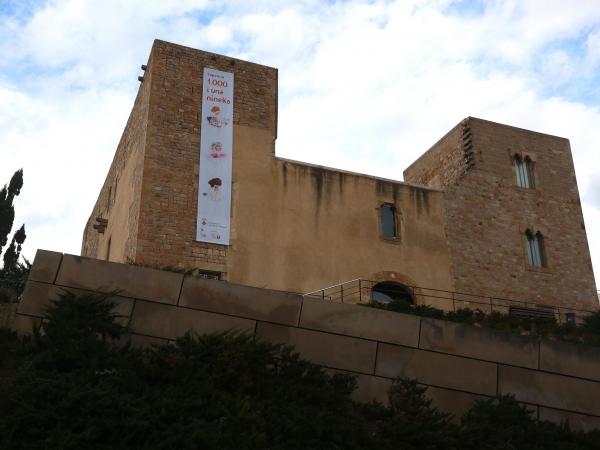
Castell de Cornellà
Cornellà Castle is one of the emblematic buildings of the city. It is a large Gothic mansion, built and renovated at various times. It is strategically located on top of a small hill, dominating the Centro neighborhood, from which you have a good view of the Llobregat in its final section, of Sant Boi on the other bank of the river and, in the past, of the main access roads to the city. Acquired and renovated by the Cornellà City Council, since 2000 it has housed various municipal offices such as the Department of Cultural Heritage, an exhibition hall, the Municipal Historical Archive, and the central courtyard where cultural and civic activities are held.
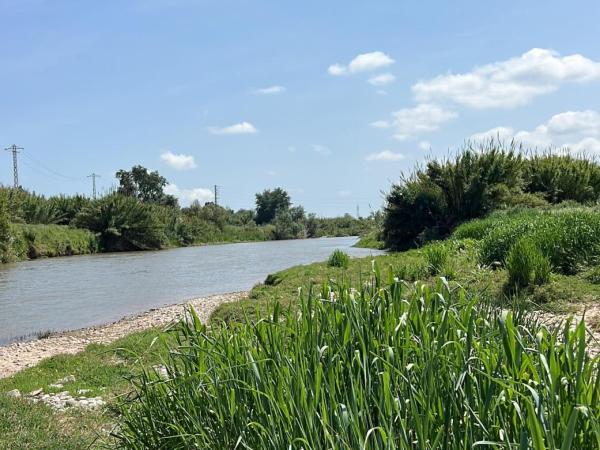
Eix del Riu
El riu Llobregat és un dels cursos fluvials més emblemàtics i importants de Catalunya. Al llarg dels segles, ha modelat el territori, ha influït en el desenvolupament de les comarques que travessa i s’ha convertit en un valuós espai natural ple de paisatges i racons per descobrir.
El Llobregat dona nom a la comarca del Baix Llobregat, ha estat escenari de nombrosos episodis històrics i ha tingut un paper estratègic des de l’antiguitat com a via de comunicació, font de recursos i motor de desenvolupament econòmic.
Neix a Castellar de n’Hug, a 1.295 metres d’altitud, i recorre prop de 170 quilòmetres fins a desembocar al mar Mediterrani, on alimenta el valuós Delta del Llobregat, un dels espais naturals més importants de Catalunya, amb aiguamolls d’una gran riquesa ecològica.
Al llarg del seu recorregut, el riu travessa paisatges molt diversos i conserva un important patrimoni històric i industrial. Hi destaquen elements tan singulars com el Pont del Diable, a Martorell, o la Colònia Güell, testimoni del passat industrial vinculat al tèxtil. Tot plegat configura un eix fluvial que ha donat vida i identitat als municipis que s’han desenvolupat al seu entorn.
A més, l’eix del riu Llobregat constitueix un corredor ecològic de gran valor, amb una notable diversitat de flora i fauna que contribueix a la conservació de la biodiversitat i al gaudi d’un entorn natural únic.
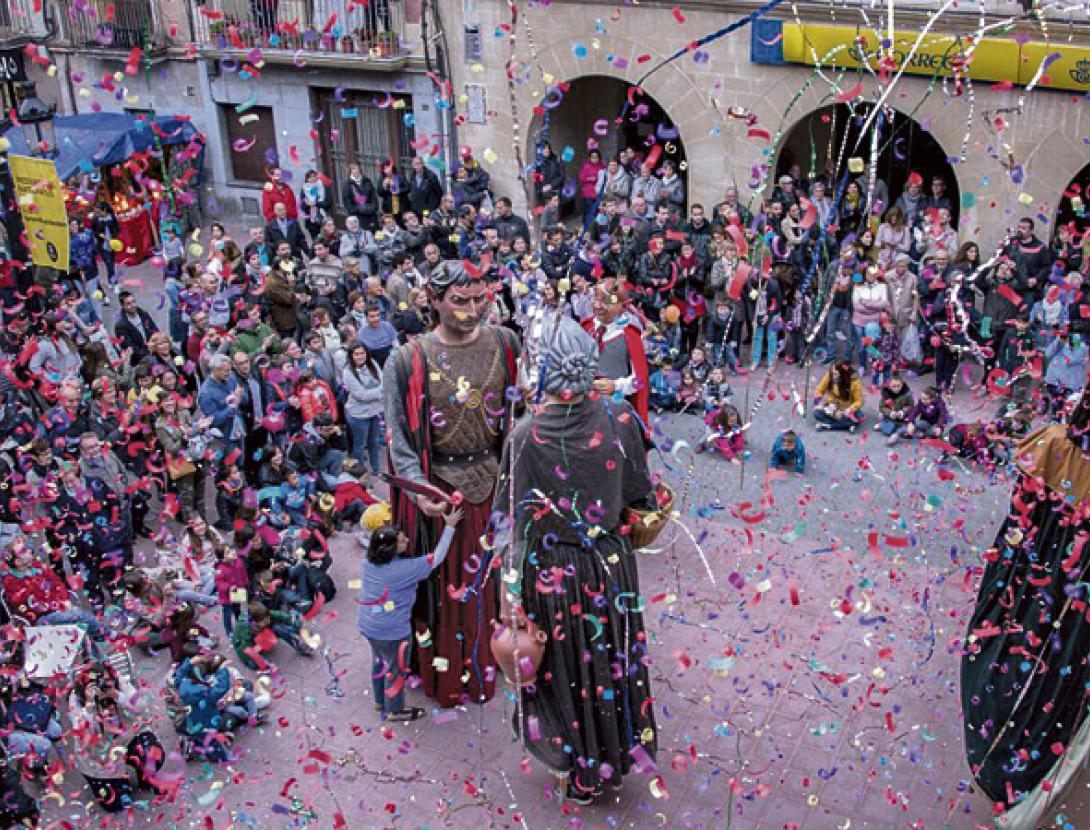
Festes i fires
Tot l'any i ben a prop amb Ferrocarrils, tens esdeveniments que no t'hauries de perdre
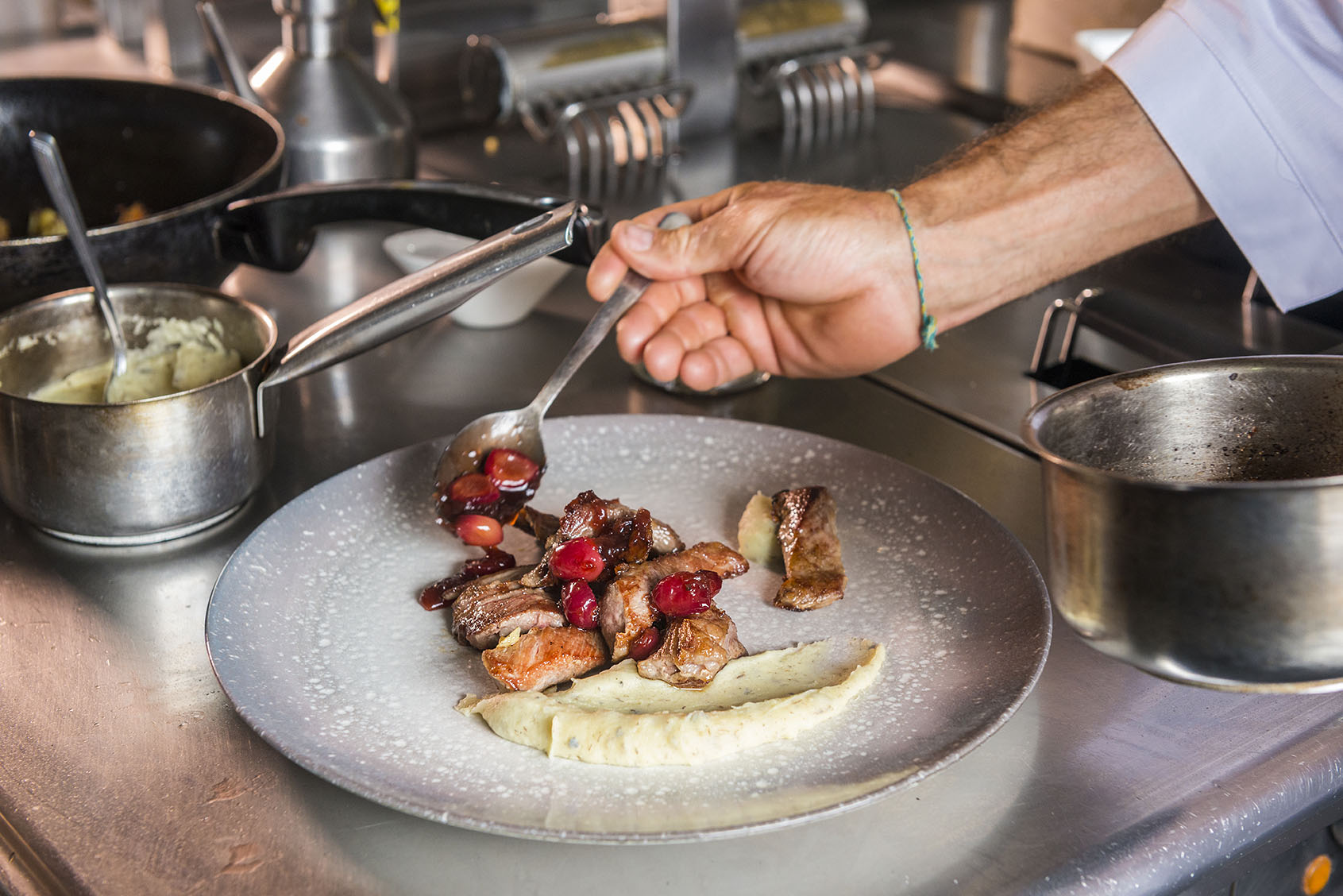
Agenda - Guia de l'Oci